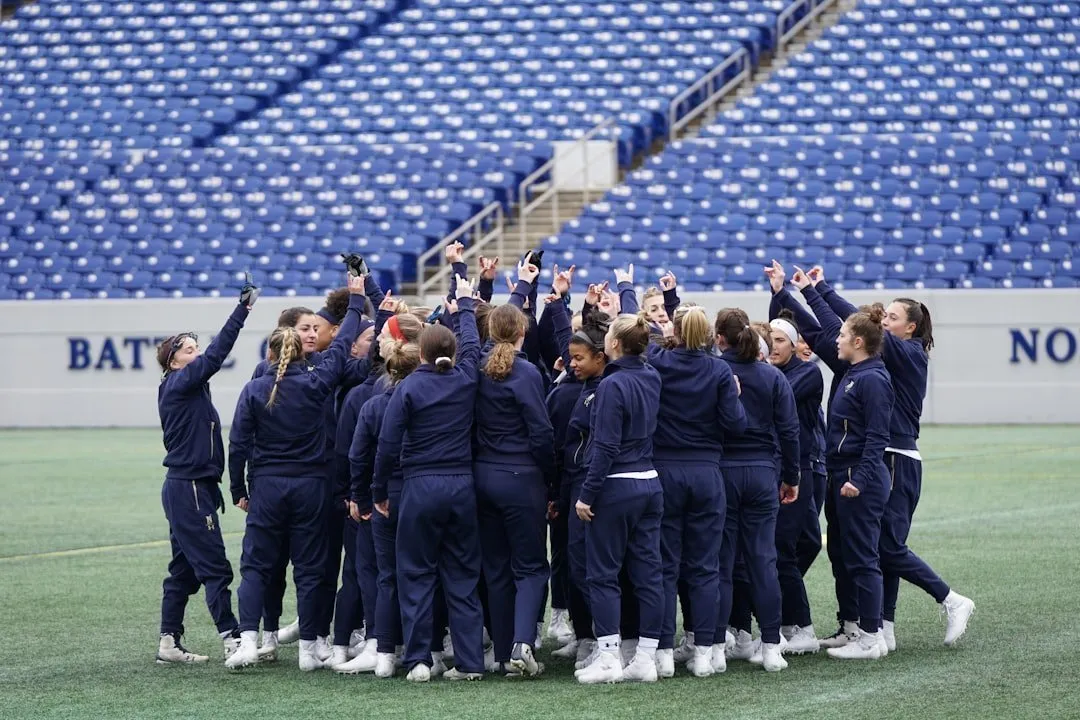
Engaging in team sports offers a multitude of benefits that extend far beyond the physical realm. At the core of these advantages is the opportunity for individuals to develop essential life skills while enjoying the camaraderie that comes with being part of a group. Team sports foster an environment where players learn to collaborate, strategise, and support one another, creating a unique blend of competition and cooperation.
This duality not only enhances athletic performance but also cultivates interpersonal skills that are invaluable in various aspects of life. Moreover, team sports provide a structured setting for individuals to engage in regular physical activity, which is crucial for maintaining overall health. The social aspect of participating in a team encourages consistent attendance and commitment, as players are often motivated by their teammates.
This collective responsibility can lead to improved fitness levels, increased endurance, and a greater appreciation for the importance of an active lifestyle. The benefits of team sports are thus multifaceted, encompassing physical health, social interaction, and personal development.
Building Trust and Communication
Effective Communication in Team Sports
Players must rely on one another to execute strategies effectively, which necessitates open lines of communication. Whether it’s calling for the ball in football or signalling a play in basketball, the ability to convey thoughts and intentions clearly is paramount.
Building Trust Through Teamwork
This constant interaction fosters a sense of trust among teammates, as they learn to depend on each other’s skills and judgement during high-pressure situations. Furthermore, the dynamics of team sports often require players to navigate conflicts and misunderstandings. These challenges present opportunities for individuals to practice conflict resolution and negotiation skills.
Transferring Skills to Other Areas of Life
For instance, if a player feels that their role is being overlooked or if there is disagreement about tactics, addressing these issues constructively can strengthen relationships within the team. Over time, this process not only enhances communication skills but also builds a robust foundation of trust that can translate into other areas of life, such as professional environments or personal relationships.
Developing Leadership Skills
Team sports serve as a fertile ground for developing leadership skills among participants. In many cases, players are given opportunities to take on leadership roles, whether as team captains or through informal leadership during games. These roles require individuals to motivate their teammates, make strategic decisions under pressure, and lead by example.
For instance, a captain may need to rally the team during a challenging match or encourage a teammate who is struggling with their performance. Such experiences are invaluable in shaping confident leaders who can inspire others. Moreover, leadership in team sports is not solely about authority; it also involves fostering an inclusive environment where every member feels valued.
Effective leaders learn to recognise the strengths and weaknesses of their teammates, allowing them to delegate tasks appropriately and create a balanced team dynamic. This understanding of group dynamics is crucial in any leadership role outside of sports, as it equips individuals with the ability to manage diverse teams and harness collective strengths towards achieving common objectives.
Learning to Work Towards a Common Goal
One of the most significant lessons imparted by team sports is the importance of working towards a common goal. Each member of a team plays a specific role that contributes to the overall success of the group, whether it be scoring points, defending against opponents, or providing support from the sidelines. This shared objective fosters a sense of unity and purpose among players, encouraging them to put aside personal ambitions for the greater good of the team.
The process of striving towards a common goal also teaches valuable lessons about perseverance and dedication. Teams often face setbacks, such as losing matches or dealing with injuries, which can test their resolve. However, it is through these challenges that players learn the significance of resilience and collective effort.
The experience of working together towards a shared aim not only strengthens bonds among teammates but also instils a sense of accountability that can be applied in various contexts beyond sports.
Overcoming Adversity as a Team
Adversity is an inevitable part of any competitive sport, and how teams respond to challenges can define their character and cohesion. Whether it’s facing a formidable opponent or dealing with unexpected setbacks such as injuries or poor performance, overcoming adversity as a unit can significantly enhance team spirit. The shared experience of navigating difficulties fosters resilience and fortitude among players, teaching them that success is often born from struggle.
For example, consider a football team that finds itself down by several goals at halftime. The ability to regroup, reassess strategies, and motivate one another to fight back exemplifies the power of teamwork in overcoming adversity. Such experiences not only build character but also create lasting memories that strengthen relationships among teammates.
The lessons learned during these challenging moments can be transformative, equipping individuals with the skills needed to face obstacles in their personal and professional lives with confidence.
Fostering a Sense of Community and Belonging
Participating in team sports inherently fosters a sense of community and belonging among players. Being part of a team creates an environment where individuals can connect with others who share similar interests and passions. This sense of belonging is particularly important for young people, as it provides them with a supportive network that can enhance their social development.
The friendships formed on the field often extend beyond sports, creating lasting bonds that contribute to an individual’s social fabric. Additionally, teams often engage with their local communities through events, fundraisers, or outreach programmes. This involvement not only strengthens ties within the community but also instils a sense of pride among team members.
For instance, participating in charity matches or community service projects allows players to give back while reinforcing their identity as part of something larger than themselves. This connection to community can be profoundly fulfilling and serves to enhance the overall experience of being part of a team.
Improving Mental and Physical Health
The benefits of team sports extend significantly into both mental and physical health realms. Regular participation in physical activities associated with team sports promotes cardiovascular fitness, muscle strength, and overall physical well-being. Engaging in such activities releases endorphins—often referred to as “feel-good” hormones—which can alleviate stress and anxiety while enhancing mood.
The structured nature of team practices and games encourages individuals to maintain an active lifestyle, which is crucial for long-term health. On the mental health front, being part of a team provides emotional support that can be incredibly beneficial during challenging times. The camaraderie developed through shared experiences creates a safe space for individuals to express themselves and seek help when needed.
For example, players may find solace in discussing personal issues with teammates who understand their struggles due to shared experiences on the field. This support network can be instrumental in promoting mental resilience and overall well-being.
Translating Team Sports Lessons into Real Life Success
The lessons learned through participation in team sports are not confined to the playing field; they have far-reaching implications for success in various aspects of life. Skills such as teamwork, communication, leadership, and resilience are highly sought after in professional environments. Employers often value candidates who have experience working collaboratively towards common goals and who can navigate challenges effectively.
For instance, consider an individual who has played on a competitive rugby team throughout their youth. The experiences gained from working closely with teammates to develop strategies, overcome losses, and celebrate victories translate seamlessly into workplace dynamics where collaboration is key. Such individuals are often adept at managing group projects, resolving conflicts amicably, and motivating colleagues—all essential traits for career advancement.
In conclusion, the myriad benefits derived from participating in team sports extend well beyond athletic prowess; they encompass personal growth, social development, and essential life skills that contribute significantly to success both on and off the field.
In a recent article on Well and Good News, the importance of choosing between natural or artificial flowers for funeral wreaths is discussed. The article explores the benefits and drawbacks of each option, helping readers make an informed decision when honouring their loved ones. This article provides valuable insights into a topic that is often overlooked but holds great significance in times of mourning. To read more about this topic, click here.