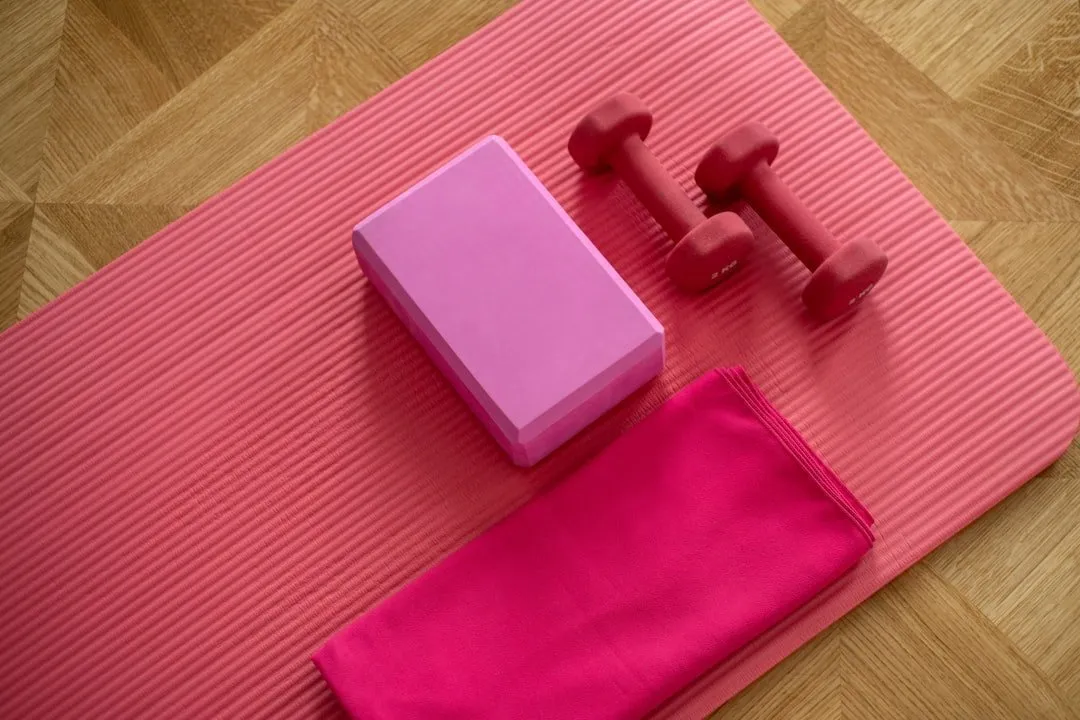
Exercise is often heralded as a cornerstone of a healthy lifestyle, and for good reason. Engaging in regular physical activity can lead to a multitude of benefits that extend far beyond mere weight management. From enhancing cardiovascular health to improving mental well-being, the advantages of exercise are both profound and far-reaching.
In an age where sedentary lifestyles are increasingly common, understanding the myriad benefits of exercise becomes essential for individuals seeking to improve their overall quality of life. The positive effects of exercise are not limited to physical health; they also encompass mental and emotional well-being. Regular physical activity has been shown to reduce symptoms of anxiety and depression, boost self-esteem, and enhance cognitive function.
The release of endorphins during exercise creates a natural high, often referred to as the „runner’s high,” which can lead to improved mood and a greater sense of happiness. As such, exercise serves as a powerful tool for fostering resilience against the stresses of daily life, making it an invaluable component of holistic health.
Getting Started: Choosing the Right Sport for You
Considering Personal Preferences
Consideration of personal preferences is paramount when choosing a sport. For instance, if you thrive in social settings, team sports may provide the camaraderie and motivation you need to stay committed. Conversely, if you prefer solitude or a more introspective experience, activities such as yoga or running might be more suitable.
Assessing Your Current Fitness Level
Additionally, it is important to assess your current fitness level and any physical limitations you may have. Starting with low-impact activities can help build confidence and prevent injury, allowing for a gradual progression into more demanding exercises.
Setting Yourself Up for Success
By taking the time to consider your personal preferences and current fitness level, you can set yourself up for success on your exercise journey. Remember, the most important thing is to find an activity that you enjoy and look forward to, as this will make it more likely that you will stick with it in the long run.
Understanding the Physical and Mental Benefits of Exercise
The physical benefits of exercise are well-documented and include improvements in cardiovascular health, muscle strength, flexibility, and endurance. Engaging in regular aerobic activities strengthens the heart and lungs, enhancing overall stamina and reducing the risk of chronic diseases such as heart disease, diabetes, and obesity. Furthermore, resistance training builds muscle mass and bone density, which is particularly important as one ages.
This multifaceted approach to fitness not only promotes longevity but also enhances daily functional abilities. On the mental health front, the benefits of exercise are equally compelling. Research has consistently shown that physical activity can alleviate symptoms of anxiety and depression by promoting the release of neurotransmitters such as serotonin and dopamine.
These chemicals play a crucial role in regulating mood and emotional well-being. Moreover, exercise has been linked to improved cognitive function, including better memory and concentration. Engaging in physical activity can also foster a sense of accomplishment and self-efficacy, further contributing to an individual’s overall mental resilience.
Creating a Workout Plan for Beginners
For those new to exercise, creating a structured workout plan can provide direction and clarity. A well-designed plan should incorporate a variety of activities that target different aspects of fitness, including cardiovascular endurance, strength training, flexibility, and balance. Beginners might start with two to three days of aerobic exercise per week, gradually increasing duration and intensity as their fitness levels improve.
Activities such as brisk walking, cycling, or swimming can serve as excellent starting points. In addition to aerobic workouts, incorporating strength training exercises is essential for building muscle and enhancing metabolic rate. Beginners can utilise bodyweight exercises such as squats, push-ups, and lunges or opt for resistance bands or light weights.
It is advisable to include strength training at least twice a week, allowing for rest days in between sessions to promote recovery. Flexibility exercises such as stretching or yoga should also be integrated into the routine to improve range of motion and prevent injury.
Overcoming Common Obstacles and Challenges
Despite the numerous benefits associated with exercise, many individuals encounter obstacles that hinder their progress. Time constraints often emerge as a significant barrier; however, it is essential to recognise that even short bouts of physical activity can be beneficial. Finding creative ways to incorporate movement into daily routines—such as taking the stairs instead of the lift or engaging in active family outings—can help mitigate this challenge.
Another common hurdle is the fear of injury or intimidation in gym environments. To combat this concern, beginners should consider starting with low-impact activities that are less likely to result in injury while building confidence over time. Additionally, seeking guidance from fitness professionals or joining beginner-friendly classes can provide valuable support and encouragement.
Establishing a supportive network—whether through friends, family, or online communities—can also foster accountability and motivation.
Staying Motivated and Consistent
Maintaining motivation over the long term is often one of the most significant challenges faced by individuals embarking on an exercise journey. Setting realistic goals is crucial; these should be specific, measurable, achievable, relevant, and time-bound (SMART). For instance, rather than aiming to „get fit,” a more concrete goal might be to run 5 kilometres within three months.
Tracking progress through journals or fitness apps can provide tangible evidence of improvement and serve as a source of motivation. Incorporating variety into your workout routine can also help stave off boredom and keep enthusiasm levels high. Experimenting with different activities—such as trying out new classes or outdoor sports—can reignite interest in exercise.
Additionally, rewarding oneself for achieving milestones can create positive reinforcement; this could be as simple as treating oneself to new workout gear or enjoying a relaxing spa day after reaching a fitness goal.
Incorporating Proper Nutrition and Recovery into Your Routine
While exercise plays a pivotal role in achieving fitness goals, it must be complemented by proper nutrition and recovery strategies. A balanced diet rich in whole foods—such as fruits, vegetables, lean proteins, whole grains, and healthy fats—provides the necessary fuel for optimal performance during workouts. Hydration is equally important; drinking adequate water before, during, and after exercise helps maintain energy levels and supports recovery.
Recovery is often overlooked but is essential for long-term success in any fitness regimen. Incorporating rest days into your workout plan allows muscles to repair and grow stronger. Techniques such as stretching, foam rolling, or engaging in low-intensity activities like walking or yoga can aid recovery by promoting blood flow and reducing muscle soreness.
Prioritising sleep is another critical aspect; quality rest enhances overall performance and mental clarity while reducing the risk of burnout.
Seeking Professional Guidance and Support
For those who feel overwhelmed by the prospect of starting an exercise routine or who wish to optimise their efforts further, seeking professional guidance can be immensely beneficial. Personal trainers offer tailored programmes that cater to individual needs and goals while providing accountability and motivation throughout the process. They can also ensure that exercises are performed with proper form to minimise the risk of injury.
In addition to personal trainers, group classes or community sports teams can provide valuable support networks that foster camaraderie among participants. Engaging with others who share similar fitness goals can create a sense of belonging and encourage consistency in attendance. Online platforms also offer access to virtual trainers and communities that can provide guidance and motivation from the comfort of one’s home.
By leveraging professional support and community resources, individuals can enhance their exercise experience while navigating challenges more effectively.
If you’re interested in learning more about the legal changes in the field of insolvency, you should check out the article Modificari juridice in domeniul insolventei. This article provides valuable information on recent updates in insolvency laws that could impact businesses and individuals facing financial difficulties. Understanding these changes is crucial for anyone involved in the insolvency process. So, make sure to give it a read to stay informed and prepared for any legal challenges in this area.