Creating a dedicated workout space is a fundamental step in establishing a successful home fitness routine. This area should be free from distractions and conducive to physical activity, allowing you to focus entirely on your workouts. Ideally, the space should be well-ventilated and adequately lit, as these factors can significantly influence your motivation and performance.
Whether it’s a spare room, a corner of your living room, or even a section of your garage, the key is to ensure that it is exclusively reserved for exercise. This separation from other daily activities helps to mentally prepare you for your workouts, making it easier to transition into the right mindset. In addition to the physical space, consider the atmosphere you want to create.
Personal touches such as motivational posters, a sound system for music, or even plants can enhance the environment. The flooring is another important aspect; if possible, invest in mats or flooring that provide cushioning and support, reducing the risk of injury during high-impact exercises. Furthermore, ensure that your workout area is equipped with adequate storage for your equipment, keeping the space tidy and organised.
A clutter-free environment not only looks appealing but also promotes a sense of calm and focus, essential for effective workouts.
Choosing the right equipment for home workouts
Selecting the appropriate equipment for home workouts is crucial for maximising your fitness potential. The choice of equipment largely depends on your fitness goals, available space, and budget. For those new to exercising at home, starting with versatile items such as resistance bands, dumbbells, or kettlebells can provide a solid foundation.
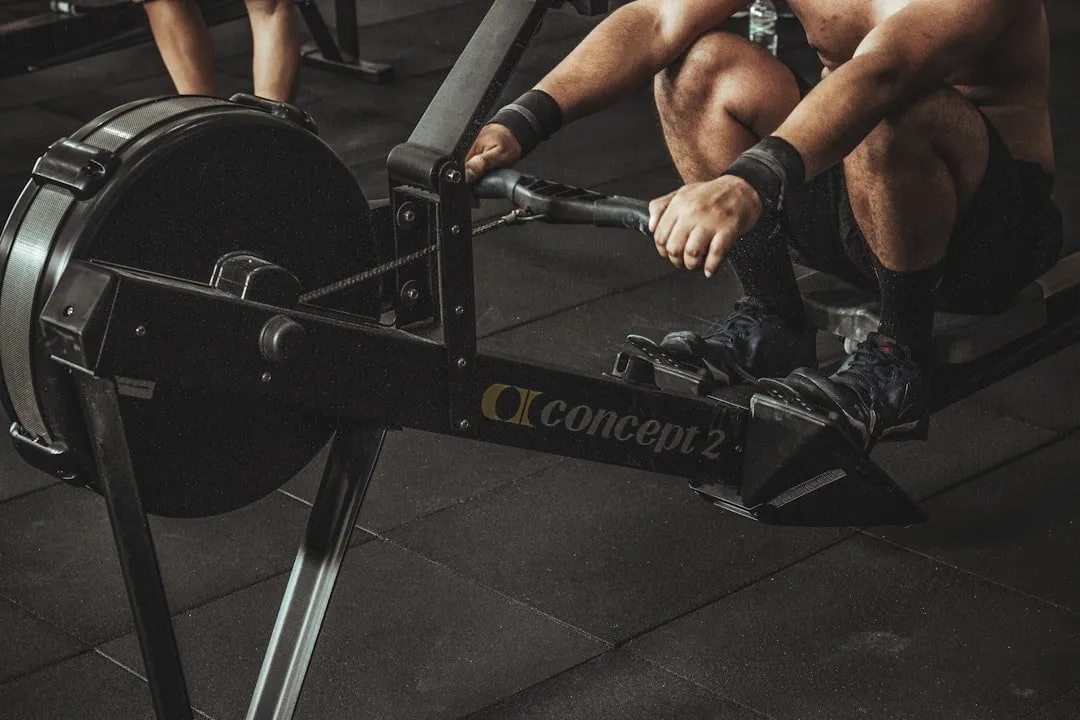
These tools are not only affordable but also allow for a wide range of exercises targeting different muscle groups. For instance, resistance bands can be used for strength training, flexibility exercises, and rehabilitation, making them an excellent addition to any home gym. If you have more space and are willing to invest further, consider larger equipment like a stationary bike, treadmill, or rowing machine.
These machines can provide excellent cardiovascular workouts and are particularly beneficial for those who prefer structured routines. However, it’s essential to assess your commitment level before making significant purchases; investing in expensive equipment without a clear plan may lead to it becoming an expensive clothes rack. Additionally, think about multifunctional equipment that can serve various purposes; for example, an adjustable bench can be used for weightlifting as well as bodyweight exercises.
Creating a structured workout plan
A well-structured workout plan is vital for achieving fitness goals and maintaining consistency. Begin by defining your objectives—whether it’s weight loss, muscle gain, improved endurance, or overall health—and tailor your plan accordingly. A balanced routine typically includes cardiovascular exercises, strength training, and flexibility work.
For instance, you might allocate specific days for different types of workouts: cardio on Mondays and Thursdays, strength training on Tuesdays and Fridays, and flexibility or yoga sessions on Wednesdays and weekends. This approach not only ensures variety but also allows for adequate recovery time between intense sessions. When designing your workout plan, consider incorporating progressive overload principles.
This means gradually increasing the intensity of your workouts over time to continue challenging your body and promoting growth. For example, if you start with a set of 10 push-ups, aim to increase the number to 12 or add variations such as incline or decline push-ups as you become stronger. Additionally, keep track of your workouts in a journal or app; this not only helps in monitoring progress but also serves as a motivational tool as you see how far you’ve come.
Incorporating a variety of exercises and techniques
Incorporating a diverse range of exercises and techniques into your routine is essential for preventing boredom and ensuring comprehensive fitness development. A varied workout regimen engages different muscle groups and reduces the risk of overuse injuries associated with repetitive movements. For instance, mixing strength training with high-intensity interval training (HIIT) can provide both muscle-building benefits and cardiovascular conditioning in one session.
HIIT workouts are particularly effective as they can be completed in shorter time frames while still delivering significant results. Moreover, consider exploring different training modalities such as Pilates, yoga, or martial arts. Each of these disciplines offers unique benefits; Pilates focuses on core strength and stability, while yoga enhances flexibility and mental clarity.
Incorporating these practices into your weekly routine can provide balance and prevent burnout from traditional weightlifting or cardio sessions. Additionally, experimenting with new exercises keeps your workouts fresh and exciting; try incorporating bodyweight movements like burpees or mountain climbers alongside traditional lifts to challenge yourself in new ways.
Staying motivated and accountable
Maintaining motivation in a home workout setting can be challenging due to the absence of external accountability often found in gyms or fitness classes. To combat this, consider setting specific goals that are both measurable and time-bound. For example, aim to run a certain distance within a set timeframe or increase your squat weight by a specific amount over the next month.
Having clear targets provides direction and purpose to your workouts, making it easier to stay committed. Another effective strategy is to enlist the support of friends or family members who share similar fitness interests. Establishing a workout buddy system can create a sense of accountability; knowing that someone else is counting on you can be a powerful motivator.
Additionally, consider joining online fitness communities or social media groups where members share their progress and challenges. Engaging with others who are on similar journeys can provide encouragement and inspiration when motivation wanes.
Proper warm-up and cool-down routines
Warming Up for Success
A warm-up should consist of dynamic stretches and movements that gradually increase your heart rate and prepare your muscles for the upcoming activity. For instance, if you plan to do strength training focused on the lower body, include leg swings, lunges with a twist, and light jogging in place to activate those muscle groups effectively.
Cooling Down for Recovery
Similarly, cooling down after exercise is equally important as it aids in recovery and helps prevent stiffness. A cool-down routine typically involves static stretching to lengthen the muscles that have been worked during the session. Focus on holding each stretch for at least 20-30 seconds to allow adequate relaxation of the muscles.
Deep Breathing for Relaxation
Incorporating deep breathing techniques during this phase can also help lower heart rate and promote relaxation after an intense workout.
Seeking professional guidance and online resources
For those new to fitness or looking to refine their techniques, seeking professional guidance can be invaluable. Personal trainers offer tailored advice based on individual goals and can provide insights into proper form and technique that may not be easily discernible through self-guided workouts. Many trainers now offer virtual sessions, making it easier than ever to access professional expertise from the comfort of your home.
In addition to personal trainers, there is an abundance of online resources available for home workouts. Websites and apps dedicated to fitness often provide structured programmes ranging from beginner to advanced levels across various disciplines. Platforms like YouTube host countless channels featuring workout videos led by experienced instructors covering everything from strength training to yoga flows.
Engaging with these resources not only enhances your knowledge but also introduces you to new exercises that can invigorate your routine.
Tracking progress and adjusting the training routine
Tracking progress is an essential component of any successful fitness journey. Keeping a record of your workouts allows you to see tangible results over time, which can be incredibly motivating. Consider documenting key metrics such as weights lifted, distances run, or repetitions completed in a journal or digital app.
Regularly reviewing this data helps identify patterns in your performance and highlights areas where adjustments may be necessary. As you progress in your fitness journey, it’s crucial to remain flexible with your training routine. If you find that certain exercises no longer challenge you or if you hit a plateau in your progress, don’t hesitate to modify your plan accordingly.
This could involve increasing weights, changing exercise variations, or even altering the frequency of workouts. Adapting your routine ensures continued growth and keeps your training engaging and effective over time.
If you’re looking for more tips on how to effectively train at home, you might want to check out the article „Piatra Cubică Preambului Infrastructurii Moderne”. This article discusses the importance of modern infrastructure in our daily lives and how it can impact our training routines. It provides valuable insights that can help you make the most out of your home workouts.