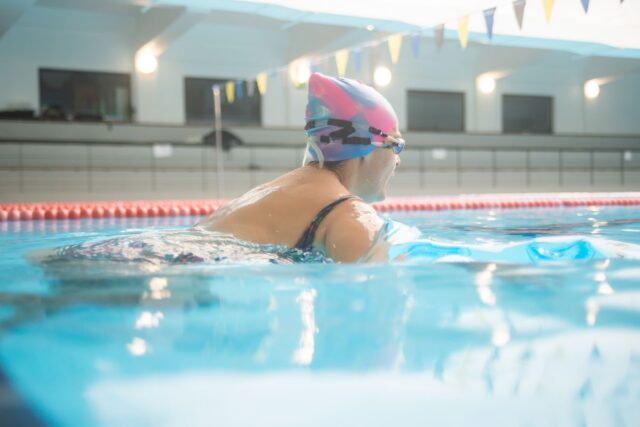
Understanding your personality is a crucial first step in determining which sports or physical activities may resonate with you. Personality traits can significantly influence not only the types of activities you enjoy but also how you engage with them. For instance, individuals who score high on traits such as extroversion may thrive in team sports where social interaction is a key component.
They often find motivation and enjoyment in the camaraderie and shared experiences that come with participating in a group. Conversely, those who lean towards introversion might prefer individual sports or activities that allow for solitary reflection and personal achievement, such as running, swimming, or yoga. Moreover, personality assessments, such as the Myers-Briggs Type Indicator (MBTI) or the Big Five personality traits, can provide valuable insights into your preferences.
For example, a person identified as a ‘Type A’ personality—characterised by competitiveness and a strong drive for achievement—might gravitate towards high-intensity sports like competitive cycling or martial arts. In contrast, someone with a more laid-back disposition may find joy in leisurely activities like hiking or recreational swimming. Understanding these nuances can help you align your sporting choices with your inherent traits, leading to a more fulfilling and enjoyable experience.
Identifying your interests and preferences
Exploring Your Activity Preferences
Consider the types of activities that have captured your attention—do you prefer outdoor adventures, or are you drawn to structured environments like gyms? Perhaps you have a passion for nature that could lead you to activities such as rock climbing or trail running, or maybe the rhythm of dance appeals to your artistic side.
Understanding Your Motivations
Additionally, it is essential to think about the aspects of sports that resonate with you. Are you motivated by competition, or do you seek personal improvement? Do you enjoy the thrill of adrenaline, or do you prefer a more meditative approach to movement?
Discovering Your True Preferences
By answering these questions, you can begin to narrow down the types of sports that align with your interests. Keeping a journal of your thoughts and feelings about various activities can also be beneficial; over time, patterns may emerge that highlight your true preferences.
Assessing your physical abilities and limitations
Assessing your physical abilities and limitations is an integral part of selecting a sport that suits you. This assessment should encompass not only your current fitness level but also any past injuries or health conditions that may affect your participation in certain activities. For instance, if you have a history of knee problems, high-impact sports like basketball or running may not be advisable.
Instead, low-impact options such as swimming or cycling could provide a safer alternative while still allowing for cardiovascular fitness. Moreover, it is essential to consider your current skill set. If you have experience in a particular sport, such as tennis or football, this prior knowledge can serve as a foundation for further development.
Conversely, if you are starting from scratch, it may be wise to choose activities that offer beginner-friendly environments and ample opportunities for skill acquisition. Engaging in self-assessment exercises or fitness tests can provide concrete data about your strengths and weaknesses, helping you make informed decisions about which sports to pursue.
Researching different sports and activities
With an understanding of your personality, interests, and physical capabilities, the next logical step is to research various sports and activities. This exploration can be both exciting and enlightening, as it opens up a world of possibilities. Start by compiling a list of sports that pique your interest based on previous reflections.
From traditional team sports like football and rugby to individual pursuits such as martial arts or dance, the options are vast. Utilising online resources can enhance your research significantly. Websites dedicated to sports often provide detailed descriptions of different activities, including their physical demands, required skills, and potential health benefits.
Additionally, watching videos or documentaries about various sports can offer insights into the culture surrounding them and what participants genuinely enjoy about their experiences. Engaging with local clubs or community centres can also provide firsthand information about available options in your area, allowing you to connect with others who share similar interests.
Consulting with a fitness professional or coach
Consulting with a fitness professional or coach can be an invaluable step in your journey towards finding the right sport for you. These experts possess a wealth of knowledge regarding various physical activities and can offer tailored advice based on your unique circumstances. A qualified coach can help assess your current fitness level and provide recommendations on suitable sports that align with your goals and abilities.
Moreover, engaging with a coach can also help clarify any misconceptions you may have about certain sports. For instance, if you’re considering taking up weightlifting but feel intimidated by the gym environment, a personal trainer can guide you through proper techniques and help build your confidence. They can also assist in creating a structured training plan that incorporates elements of the sport you’re interested in while addressing any limitations you may have identified earlier.
Trying out different sports and activities
Getting Hands-On Experience
Once you’ve carried out thorough research and consulted with professionals, it’s time to put theory into practice by trying out different sports and activities. This hands-on approach is essential for gaining a true sense of what resonates with you. Many local clubs and community centres offer trial sessions or introductory classes that allow newcomers to experience various sports without making a long-term commitment.
Listening to Your Body and Mind
During these trial sessions, pay close attention to how each activity makes you feel—both physically and emotionally. Do you find yourself enjoying the camaraderie of team sports? Or do you feel invigorated by the challenge of mastering a new skill in an individual sport?
Remaining Open-Minded and Reflective
It’s important to remain open-minded during this exploration phase; sometimes, an activity that initially seems unappealing may surprise you once you give it a chance. Documenting your experiences can help clarify which sports truly excite you and which ones may not be worth pursuing further.
Evaluating your experience and preferences
After trying out several sports and activities, take some time to evaluate your experiences critically. Reflect on what aspects of each sport resonated with you the most—was it the social interaction, the physical challenge, or perhaps the mental focus required? Consider how each activity aligns with your personality traits and interests identified earlier in the process.
This evaluation phase is crucial for narrowing down your options and making informed decisions about which sport to commit to. Additionally, consider seeking feedback from coaches or fellow participants regarding your performance and potential within each sport. Their insights can provide valuable perspectives that may influence your decision-making process.
It’s also beneficial to think about long-term sustainability; will this sport fit into your lifestyle in terms of time commitment, accessibility, and enjoyment? By thoroughly evaluating your experiences, you’ll be better equipped to make a choice that aligns with both your immediate desires and long-term goals.
Making a decision and committing to a sport
Having gone through the process of understanding yourself, researching options, trying out different activities, and evaluating your experiences, it is now time to make a decision and commit to a sport. This commitment is not merely about choosing an activity; it involves dedicating yourself to regular practice and engagement within that sport. Establishing a routine will not only enhance your skills but also deepen your connection to the activity itself.
Once you’ve made your choice, consider setting specific goals related to your new sport—these could range from improving technique to participating in competitions or simply enjoying regular exercise. Joining clubs or communities related to your chosen sport can also foster motivation and accountability; being part of a group often enhances enjoyment through shared experiences and camaraderie. Remember that commitment does not mean rigidity; it’s perfectly acceptable to reassess your choice down the line if your interests evolve or if new opportunities arise.
The key is to embrace the journey ahead with enthusiasm and an open mind as you explore the world of sport tailored uniquely for you.
When trying to choose the right sport for your personality, it’s important to avoid common mistakes that a security company can make. According to a recent article on wellandgood.news, these mistakes can have serious consequences. It’s crucial to do your research and make an informed decision, just like Renault did when they appointed a new director in July. Unfortunately, former Steaua goalkeeper Martin Tudor passed away at the age of 43 after suffering a heart attack, highlighting the importance of staying active and choosing a sport that suits your personality and health needs.