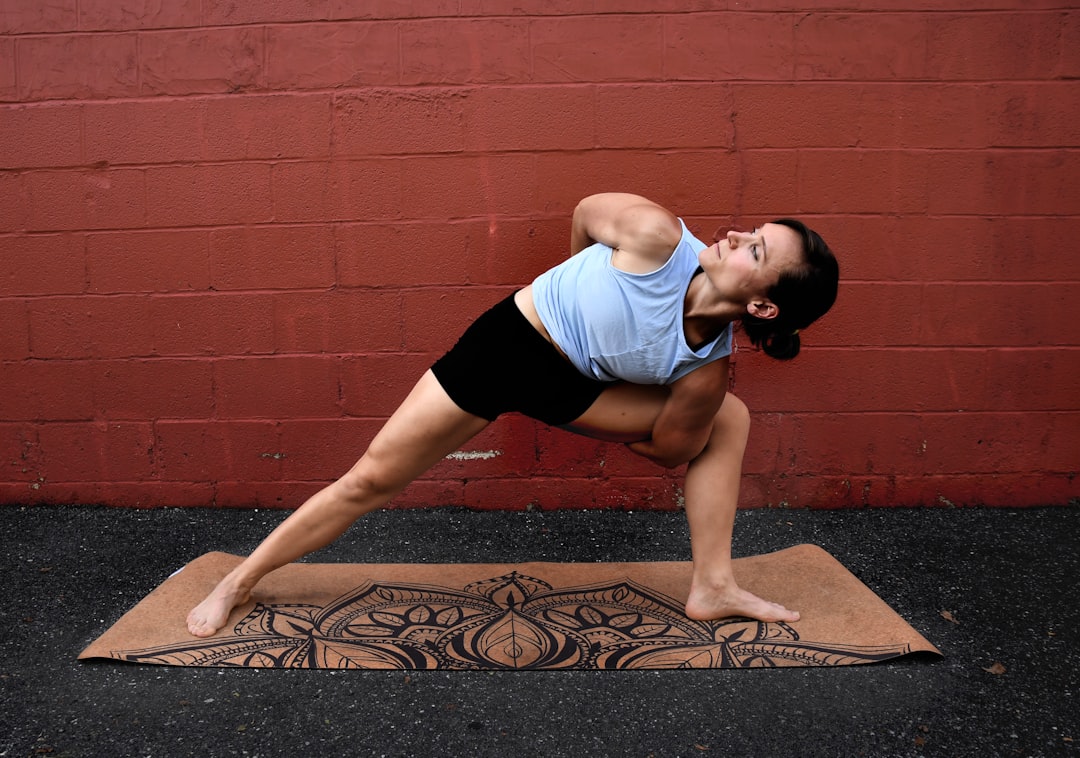
Warming up and cooling down are essential components of any exercise regimen, yet they are often overlooked by many individuals. A proper warm-up prepares the body for the physical demands of a workout by gradually increasing the heart rate and blood flow to the muscles. This process not only enhances performance but also significantly reduces the risk of injury.
A well-structured warm-up typically includes dynamic stretches and movements that mimic the activity to be performed. For instance, if one is preparing for a run, incorporating leg swings, high knees, and butt kicks can effectively prime the muscles and joints for the upcoming exertion. Cooling down, on the other hand, is equally important as it aids in the recovery process.
After an intense workout, the body needs time to transition back to its resting state. A proper cool-down involves gradually decreasing the intensity of exercise, followed by static stretching to help maintain flexibility and reduce muscle soreness. For example, after a vigorous cycling session, one might pedal at a slower pace for several minutes before dismounting to perform stretches targeting the quadriceps, hamstrings, and calves.
This practice not only helps in flushing out lactic acid but also promotes relaxation and mental clarity post-exercise.
Use proper equipment and gear
The significance of using appropriate equipment and gear cannot be overstated when it comes to optimising performance and ensuring safety during physical activities. The right footwear is particularly crucial; for instance, runners should invest in shoes specifically designed for their foot type and running style. A well-fitted pair of running shoes can provide adequate support, cushioning, and stability, which are vital for preventing injuries such as shin splints or plantar fasciitis.
Similarly, cyclists should ensure their bikes are properly fitted to their body dimensions to avoid discomfort and enhance efficiency during rides. In addition to footwear, other equipment such as resistance bands, weights, or yoga mats can greatly influence the effectiveness of workouts. For example, using resistance bands during strength training can help in maintaining proper form while providing variable resistance throughout the movement.
Furthermore, wearing appropriate clothing that allows for breathability and flexibility can enhance comfort levels during workouts. Investing in moisture-wicking fabrics can help regulate body temperature and keep one dry, thus improving overall performance.
Follow proper technique and form
Mastering proper technique and form is paramount in any physical activity, as it directly impacts both performance and safety. Engaging in exercises with incorrect form can lead to inefficient movement patterns and increase the likelihood of injuries. For instance, when performing a squat, it is essential to ensure that the knees do not extend beyond the toes while keeping the back straight and core engaged.
This alignment not only maximises the effectiveness of the exercise but also protects the joints from undue stress. Moreover, understanding the biomechanics of each movement can significantly enhance workout outcomes. For example, in weightlifting, employing a full range of motion while maintaining control over the weights can lead to better muscle activation and growth.
It is advisable for individuals to seek guidance from instructional videos or professional trainers to learn the nuances of each exercise. Regularly assessing one’s form through mirrors or video recordings can also provide valuable feedback for improvement.
Listen to your body
Listening to one’s body is an often underrated yet crucial aspect of any fitness journey. Each individual has unique physical capabilities and limitations; therefore, it is vital to pay attention to signals that indicate fatigue or discomfort. Ignoring these signals can lead to overtraining or injuries that may set back progress significantly.
For instance, if one experiences persistent pain during a particular exercise, it may be a sign that adjustments are needed either in technique or intensity. Additionally, recognising when to push through discomfort versus when to rest is an essential skill for any athlete or fitness enthusiast. While some soreness is a normal part of training adaptation, sharp pain or extreme fatigue should not be ignored.
Incorporating rest days into a training schedule allows the body to recover and rebuild stronger. By tuning into these bodily cues, individuals can create a more sustainable approach to fitness that prioritises long-term health over short-term gains.
Stay hydrated and nourished
Hydration and nutrition play pivotal roles in supporting physical performance and recovery. Water is essential for maintaining optimal bodily functions; it regulates temperature, lubricates joints, and transports nutrients throughout the body. During exercise, especially in hot conditions or prolonged sessions, fluid loss through sweat can lead to dehydration, which negatively impacts endurance and cognitive function.
Therefore, it is advisable for individuals to drink water before, during, and after workouts to maintain hydration levels. In addition to hydration, proper nutrition fuels the body for exercise and aids in recovery post-workout. Consuming a balanced diet rich in carbohydrates, proteins, and healthy fats provides the necessary energy for workouts while supporting muscle repair.
For example, athletes often benefit from consuming a carbohydrate-rich meal or snack before training sessions to ensure they have adequate energy reserves. Post-exercise nutrition is equally important; consuming protein within 30 minutes after a workout can help stimulate muscle recovery and growth. Incorporating whole foods such as fruits, vegetables, lean meats, and whole grains into daily meals can significantly enhance overall performance.
Get enough rest and recovery
Sleep: The Key to Recovery
Sleep is one of the most critical aspects of recovery; it is during sleep that the body undergoes repair processes essential for muscle growth and overall health. Research indicates that adults should aim for 7-9 hours of quality sleep per night to optimise recovery and performance.
Active Recovery Techniques
In addition to sleep, incorporating active recovery days into a training schedule can be beneficial. Activities such as gentle yoga, walking, or swimming at a low intensity allow the body to recover while still promoting blood flow and flexibility.
Additional Recovery Methods
Furthermore, techniques such as foam rolling or massage therapy can aid in alleviating muscle tension and soreness. By prioritising rest and recovery, individuals can enhance their resilience against injuries while improving their overall fitness levels.
Cross train and vary your workouts
Cross-training involves engaging in different types of physical activities to improve overall fitness while reducing the risk of injury associated with repetitive movements. By incorporating various forms of exercise into a routine—such as cycling, swimming, strength training, or yoga—individuals can develop a more balanced fitness profile that enhances endurance, strength, flexibility, and coordination. For instance, a runner might benefit from incorporating cycling sessions into their weekly routine; this not only provides a cardiovascular workout but also allows for active recovery from high-impact running sessions.
Varying workouts also helps prevent boredom and plateaus in progress. Engaging in new activities challenges the body in different ways and stimulates muscle adaptation. For example, someone who primarily lifts weights might find that adding dance classes or martial arts improves their agility and coordination while providing a fun change of pace.
Additionally, varying workout intensities—such as alternating between high-intensity interval training (HIIT) and steady-state cardio—can further enhance cardiovascular fitness while keeping motivation levels high.
Seek professional guidance and coaching
Seeking professional guidance from trainers or coaches can significantly enhance one’s fitness journey by providing tailored advice based on individual goals and abilities. A qualified coach can assess an individual’s current fitness level and design a personalised programme that addresses specific needs while ensuring safety through proper technique instruction. This tailored approach not only optimises performance but also instills confidence in individuals who may be new to exercise or looking to advance their skills.
Moreover, professional coaches often bring valuable experience and knowledge about various training methodologies that individuals may not be aware of on their own. They can introduce new exercises or techniques that challenge clients in ways they might not have considered previously. Additionally, having an accountability partner in the form of a coach can motivate individuals to stay committed to their fitness goals while providing encouragement during challenging times.
Ultimately, investing in professional guidance can lead to more effective training outcomes while fostering a deeper understanding of personal fitness journeys.
If you want to prevent injuries in sports activities, it is important to take certain precautions. One way to do this is by warming up properly before starting any physical activity. According to a recent article on Well and Good News, it is also crucial to listen to your body and not push yourself beyond your limits. Additionally, wearing appropriate protective gear and staying hydrated can help reduce the risk of injuries during sports. By following these tips, you can enjoy your favourite activities while staying safe and injury-free.

